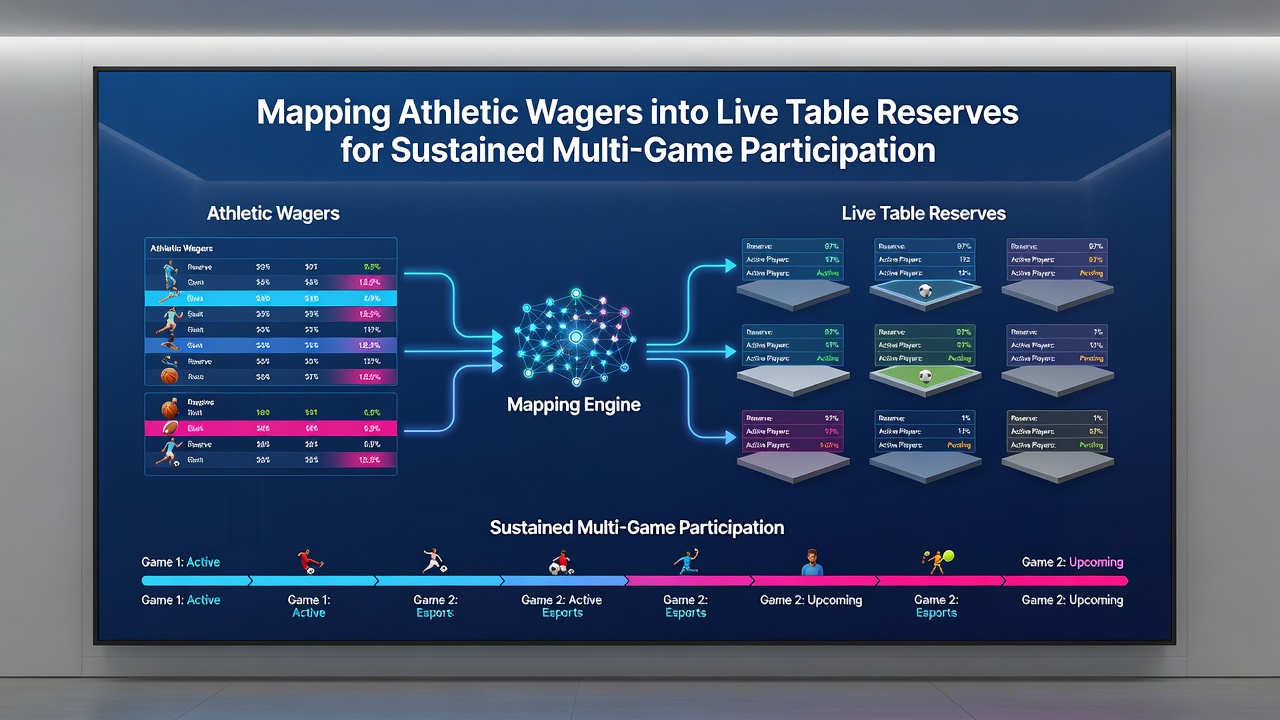
Converting Athletic Wager Profits into Live Table Reserves for Continuous Multi-Game Engagement
Operators and players alike track athletic wager returns as they flow into dedicated reserves that support extended sessions at live tables, and this mapping process relies on structured allocation rules that preserve capital across multiple games such as blackjack and roulette. Data from industry reports shows that participants who designate a fixed percentage of sports betting gains for table reserves maintain longer play periods without depleting primary funds, while separate tracking accounts prevent overlap between betting categories.
Core Allocation Mechanisms
Financial mapping begins when athletic wager profits clear settlement, at which point automated systems or manual transfers move designated portions into table-specific ledgers that comply with venue reserve requirements. Observers note that many platforms integrate these transfers through API connections, allowing real-time updates that reflect current balances available for live dealer play, and such integration reduces manual errors that previously interrupted session continuity. Research from the American Gaming Association indicates that structured allocation protocols correlate with higher retention rates among multi-game participants who shift between sportsbooks and tables within single visits.
Those who apply tiered percentages often assign thirty to forty percent of cleared athletic profits directly to table reserves, leaving the remainder in sports betting accounts for further wagers, while separate ledgers record each movement to satisfy audit trails. This division supports sustained participation because table reserves remain insulated from volatility in ongoing sports markets, and players avoid the common pitfall of mixing categories that leads to premature fund exhaustion.
Practical Implementation Across Venues
Venues in various regions employ standardized reserve protocols that accommodate incoming athletic wager transfers, and these protocols typically require minimum thresholds before table play can commence with the new funds. For instance, one documented case at a North American property showed participants converting weekly sports profits into table chips through on-site kiosks that updated digital ledgers instantly, enabling seamless movement from sportsbook terminals to blackjack pits without additional verification delays. Similar systems operate in Australian markets where regulatory frameworks mandate clear separation of sports and table funds, according to reports issued by the Australian Gambling Research Centre.
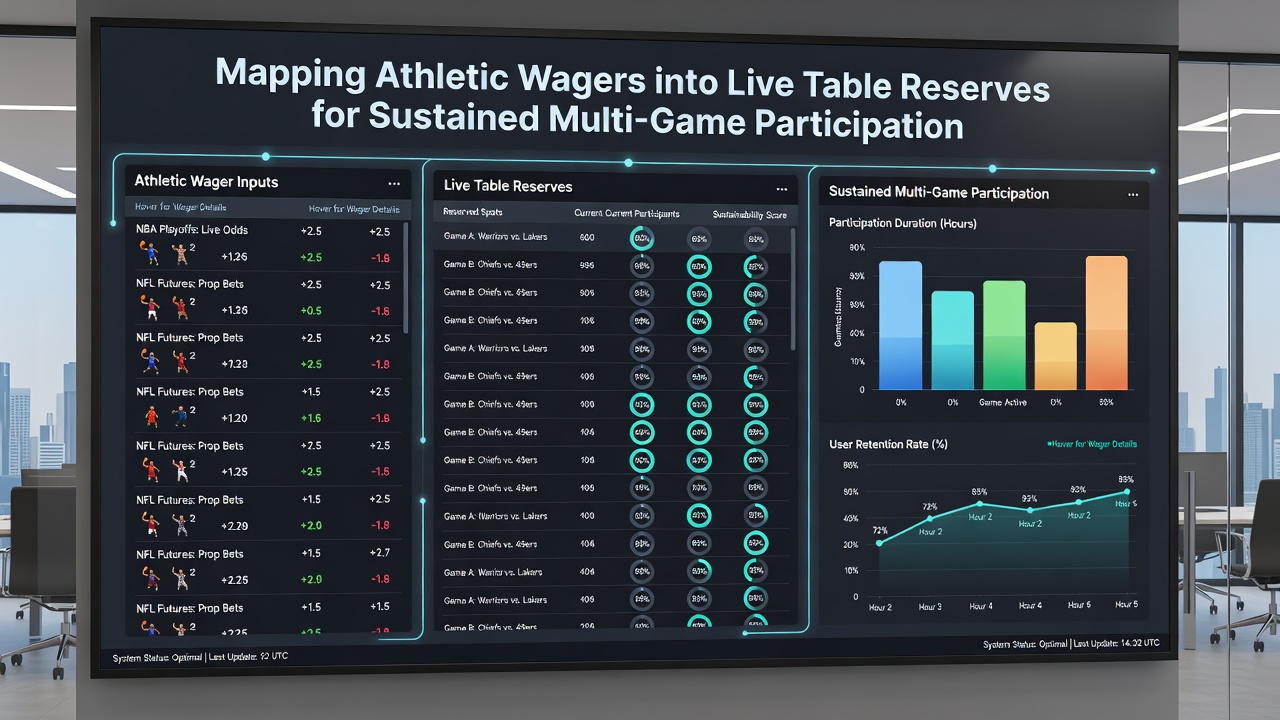
October 2026 saw several operators introduce enhanced ledger tools that automatically flag when athletic profits reach table reserve thresholds, and these tools align with broader efforts to streamline multi-game experiences while maintaining compliance records. Participants who utilize these features report fewer interruptions during transitions, since the mapping occurs in background processes rather than requiring repeated manual confirmations at each station.
Data Patterns and Retention Metrics
Figures compiled across multiple jurisdictions reveal that players who consistently map athletic wager gains into table reserves extend average session lengths by twenty-five to thirty-five percent compared with those who rely on single-source funding. University-led studies on gambling behavior have documented these patterns through anonymized transaction logs, showing that compartmentalized reserves correlate with reduced early exits from table areas during peak hours. The same analyses highlight that venues providing clear mapping interfaces experience higher cross-category engagement, as participants move between sports and table offerings without logistical friction.
Yet implementation varies by operator size, with larger properties deploying integrated wallets that handle transfers across departments while smaller venues rely on manual oversight to achieve equivalent separation. In both cases the objective remains identical: preserve table reserves as a distinct pool that sustains participation through multiple games without drawing from active sports betting balances.
Conclusion
Mapping athletic wager profits into live table reserves establishes a repeatable framework that supports continuous multi-game participation when operators and participants follow defined allocation rules and maintain separate tracking systems. Evidence from regulatory reports and academic analyses confirms that such practices produce measurable extensions in play duration across blackjack, roulette, and related table offerings. As platforms continue refining transfer tools, the underlying principles of compartmentalization and real-time ledger updates remain central to sustaining these mapped funds over extended periods.